WEAVER BIRD tapestry
Welcome to a journey across sub-Saharan Africa. From Senegal on the farthest west coast to the great red island of Madagascar in the Indian Ocean. From Ethiopia in the mystic Horn of Africa to a creation legend in South Africa.
It began in Africa...
A place known as the mother continent – the original landmass of Pangaea. All things primitive and all things original originated from her swollen belly; from the rain of the Highveld to the dry deserts of the Kalahari and its San/Khoikhoi occupants. The sea sung stories on the wind and the wind in turn whispered to the grasses – all the while filtering through the valleys of majestic mountains and spearing off violently from the Southern tip of the oldest continent. Humanity was born here and her fossil and ancestors still reside in the tales written long into the stars across all skies.
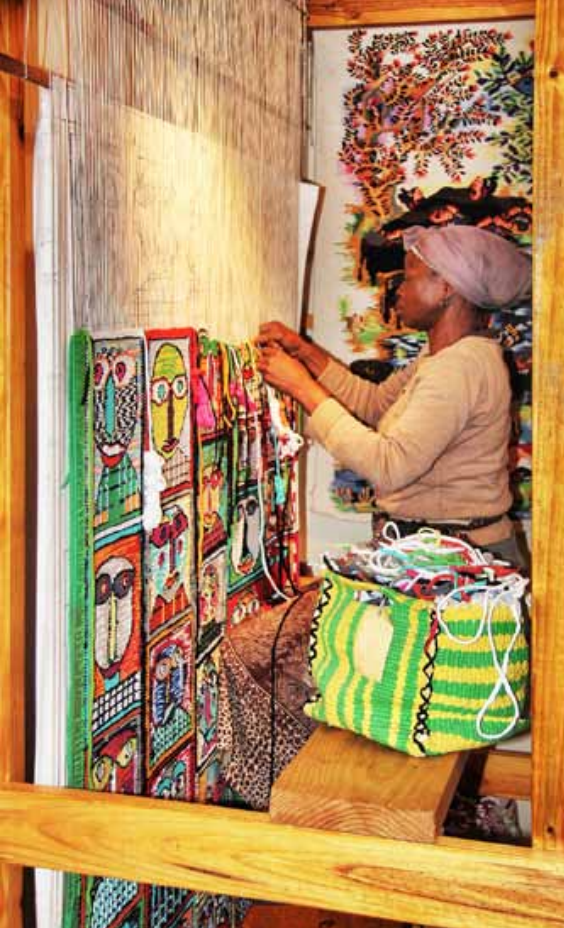
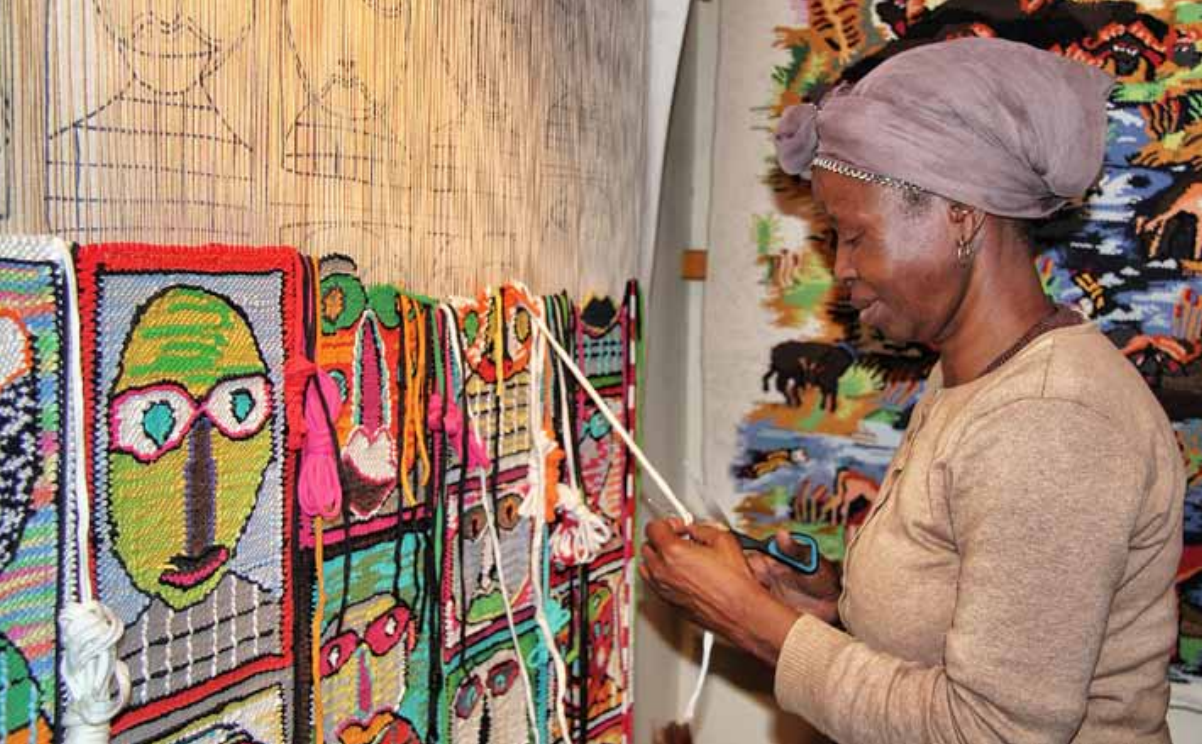
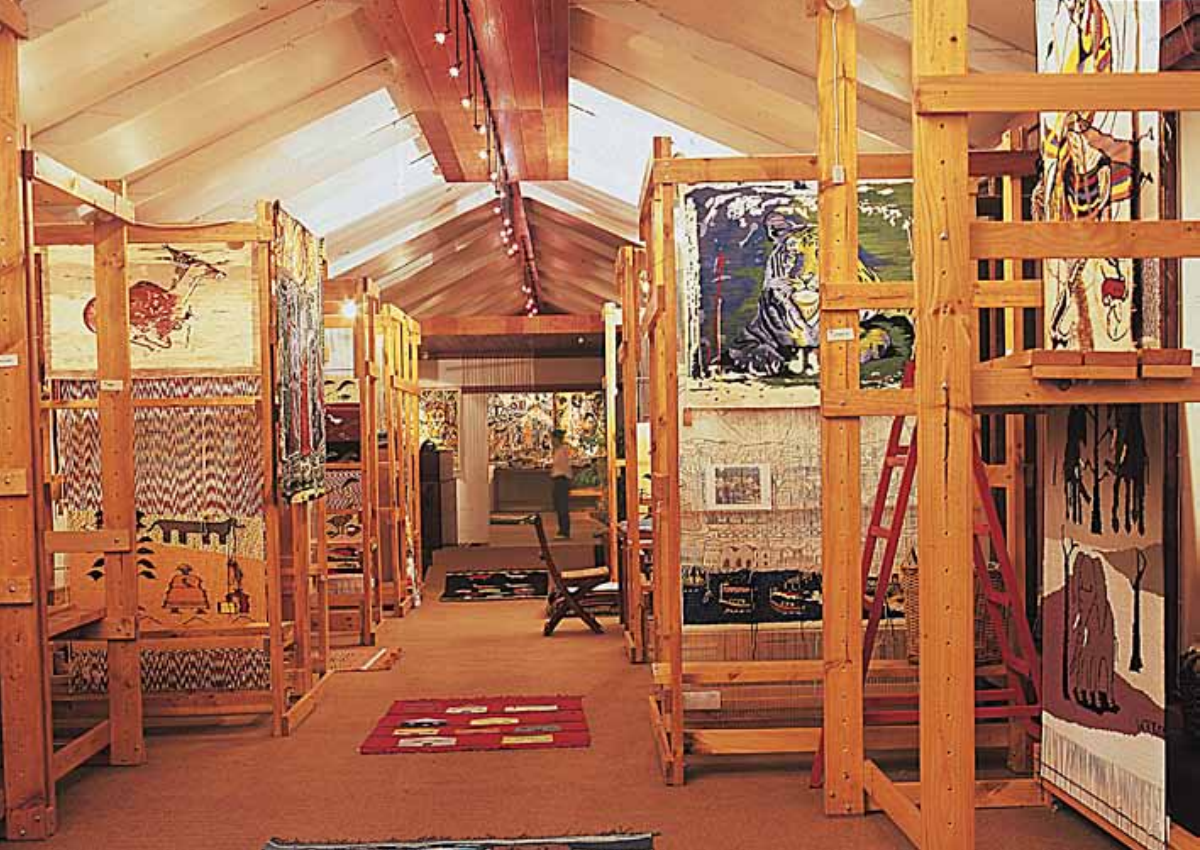
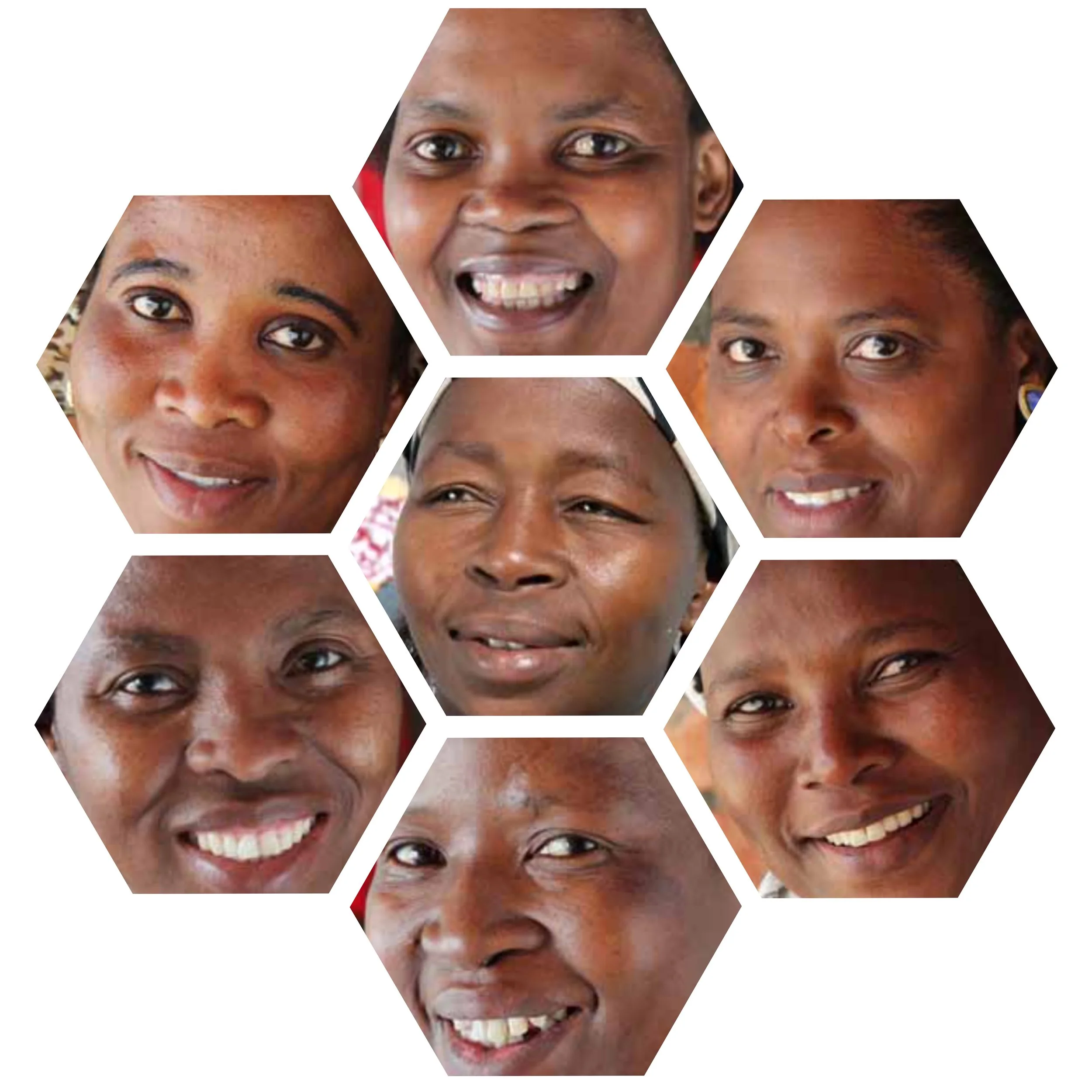
The Kraal Gallery weaving project was the vision of Philanthropist, Frank W. Daniel. The folkloric stories have been rewritten by Jay Heale. He has travelled from Cape Town to Zimbabwe, and from Namibia to Tanzania and Madagascar, researching their cultural way of life and collecting stories. The stories were then interpreted and illustrated by artists Marcel Heroldt, Colette Kemp and Karen Senior. The Weavers we are exhibiting are: Nozinkele Faniswa Mahote, Nontlahla Macothosa, Nthabeleng Annacletta Modutsoane, Nokwake Nomfazi Dyani, Novuyisele Dlubom, Noluvuyo Mki, & Nomtheliso Sylvia Ngxoni.
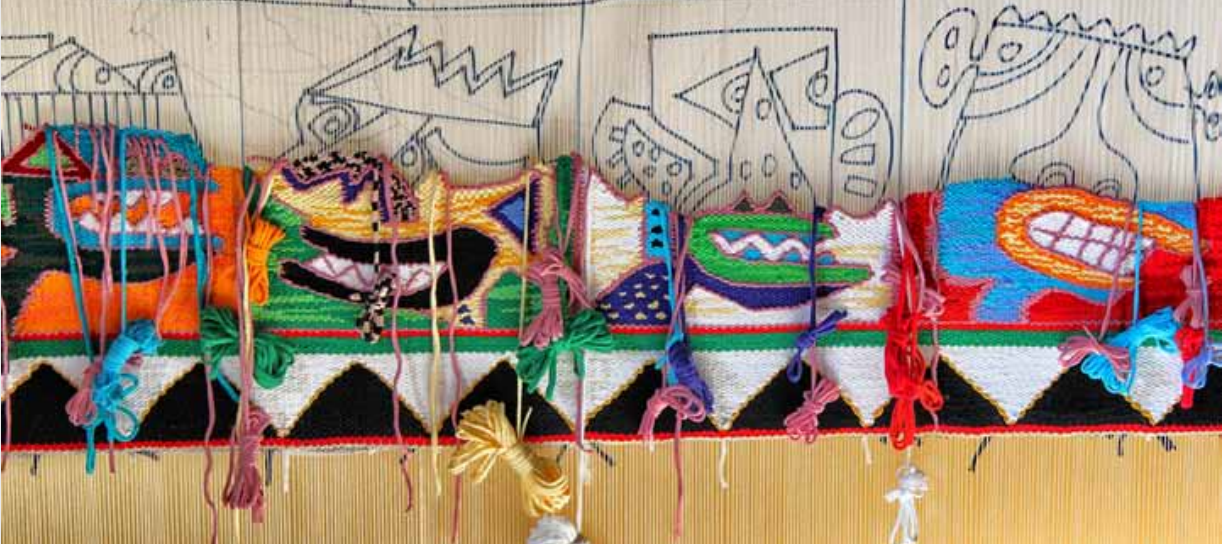
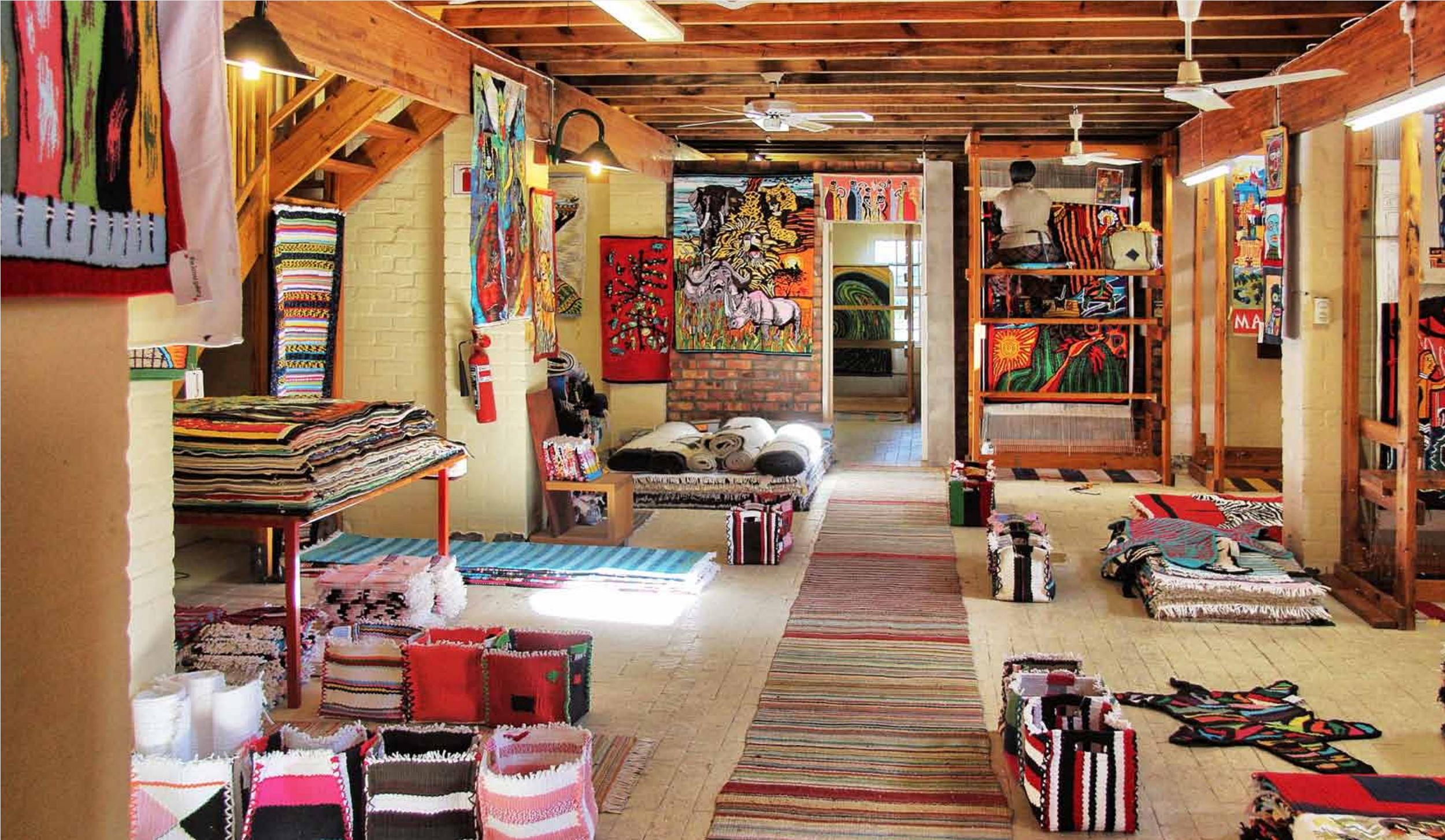
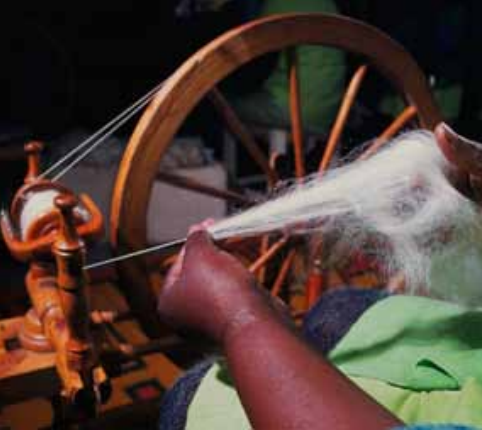
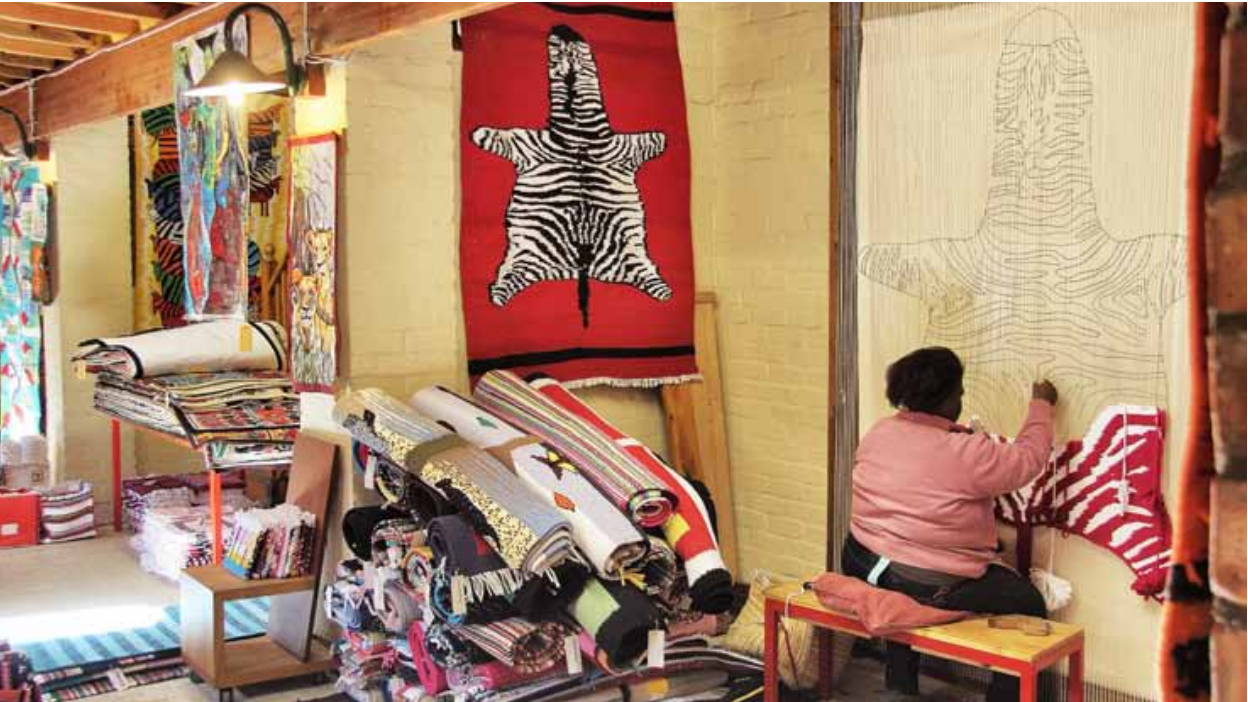
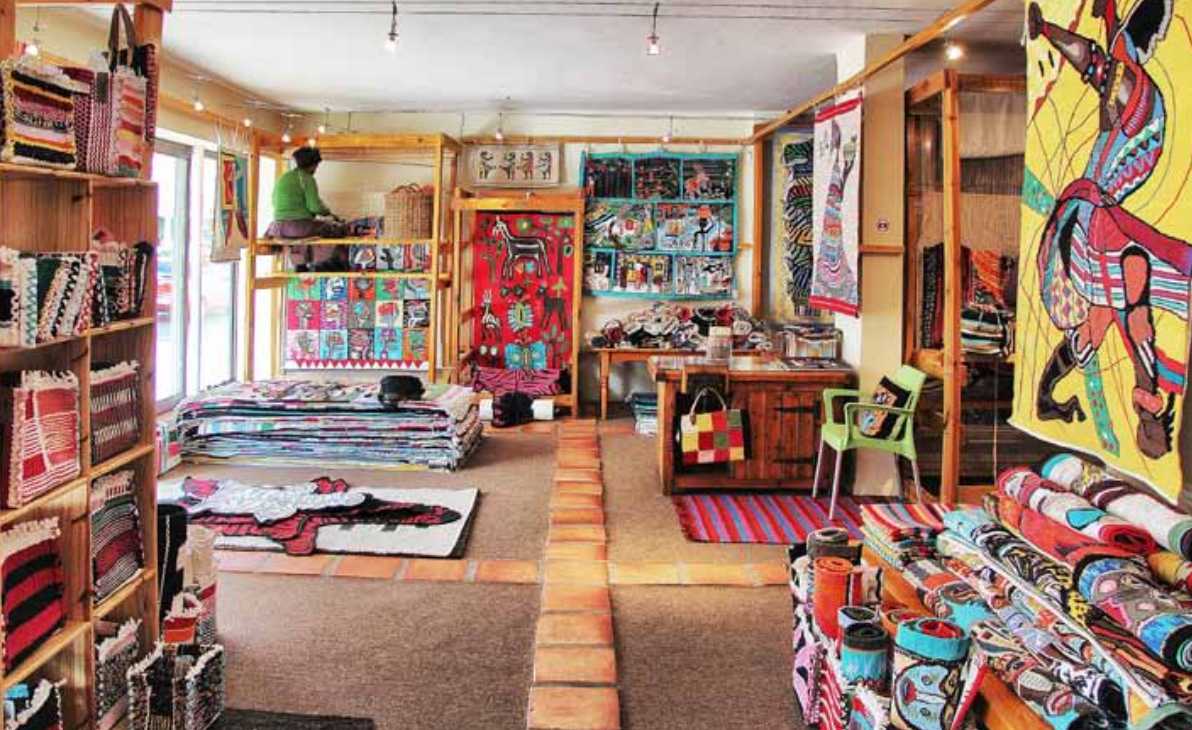
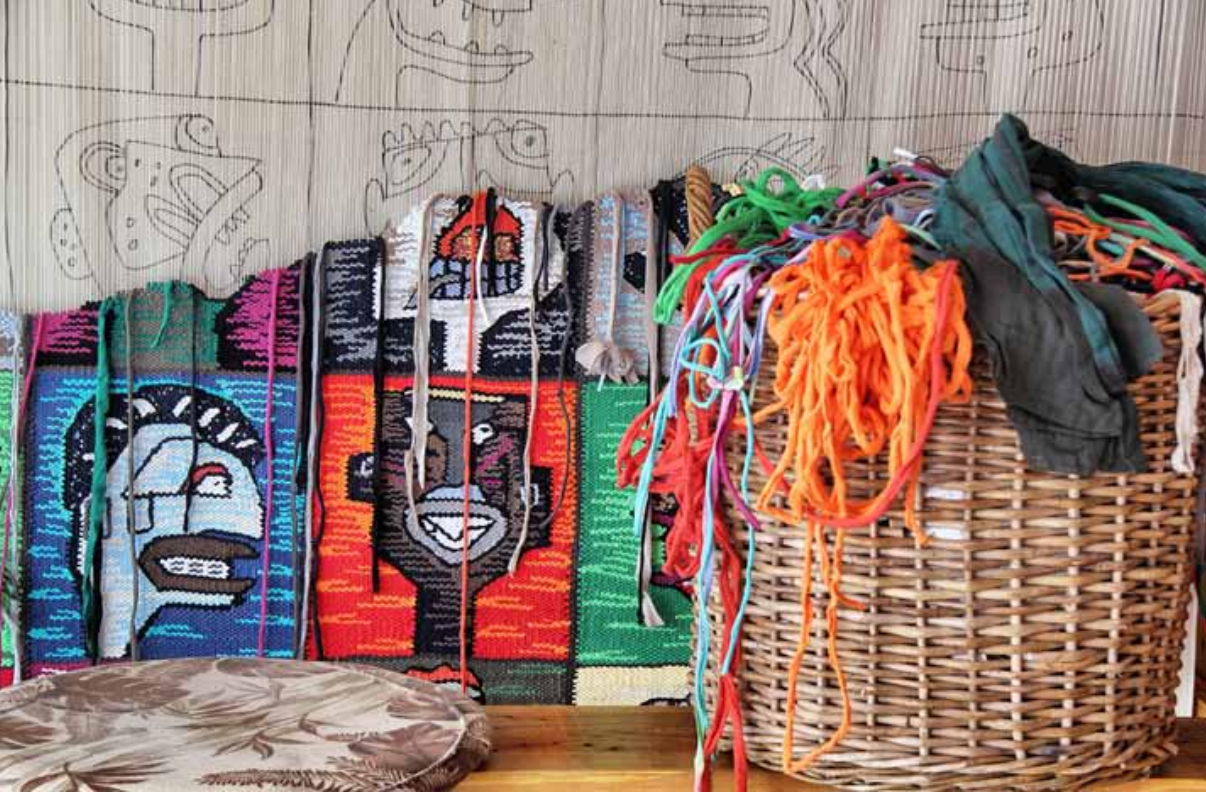
The Kraal Gallery weaving project was started as generations of weavers to create tapestries of hope, individuality and originality. They have mastered and recouped an ancient art. Each weaver has imparted a piece of herself on every weft string she has pulled into her creation. From simplistic rugs and baskets, to tapestries ordaining dynastical homes across the globe. A hugely personal triumph has occurred in South Africa with its fresh democracy as every tapestry we have created has been universal in story telling.
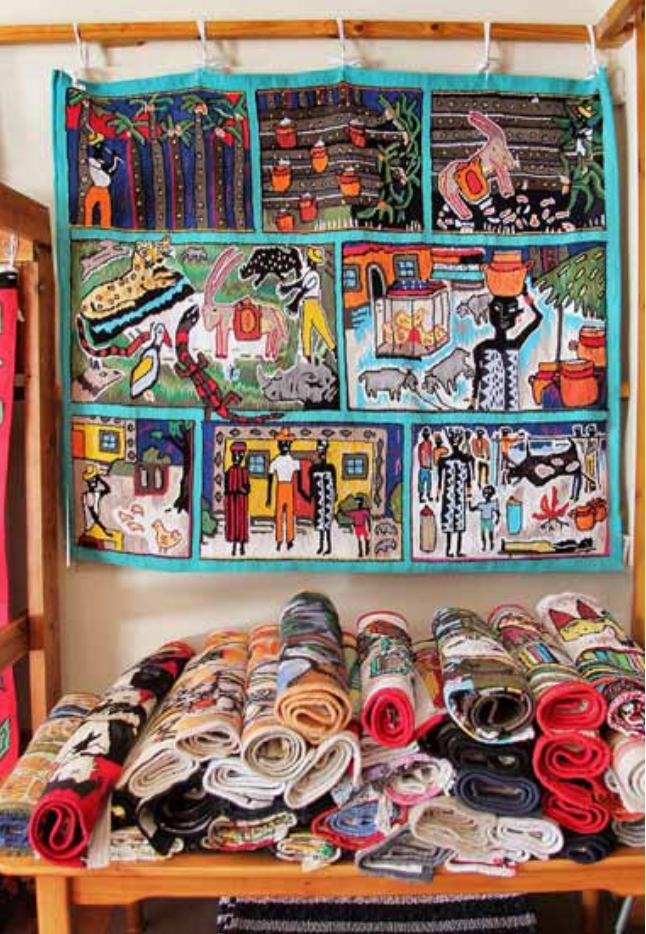
Angela King Gallery is proud to present a collection of nine folktales which have been illustrated and retold by African weavers of tapestry. The stories are nearly all based on traditional sources but stories are alive: they change each time they are told. So these folktales have been presented as “a story being told.” Some stories are moral, some are explanatory, some are cynical. That’s the way stories are.
All the Kraal items begin with a light of positivity and build on from here. The stories woven have worldly application as each is an interpretation of wholesome morals. The Canopy of The Kraal Gallery was put in place by the Daniel Family Trust to buffer new Weaverbirds starting out on their journey. Marketing structures, human resources and developmental plans allowed weavers the necessary breathing space to express talents. Talents in turn needed the correct exposure and through the circle of ongoing progress, our team has created a sustainable model for artisans to live, work and grow. This process is ongoing and through comprehensive skills transfer, jobs are created that change the landscape of inequality one family at a time. Our vision is to impact children through their mothers. We are not educators, but we are weavers..... and weaving is teaching us to wake up to new possibility... Until today the Kraal Gallery has trained over 1000 women to weave; but many have not been able to make it on their own. As such we have learnt and refined the ‘Canopy of Stars’ to provide security, sustainability and a haven to generate a further 500 jobs...
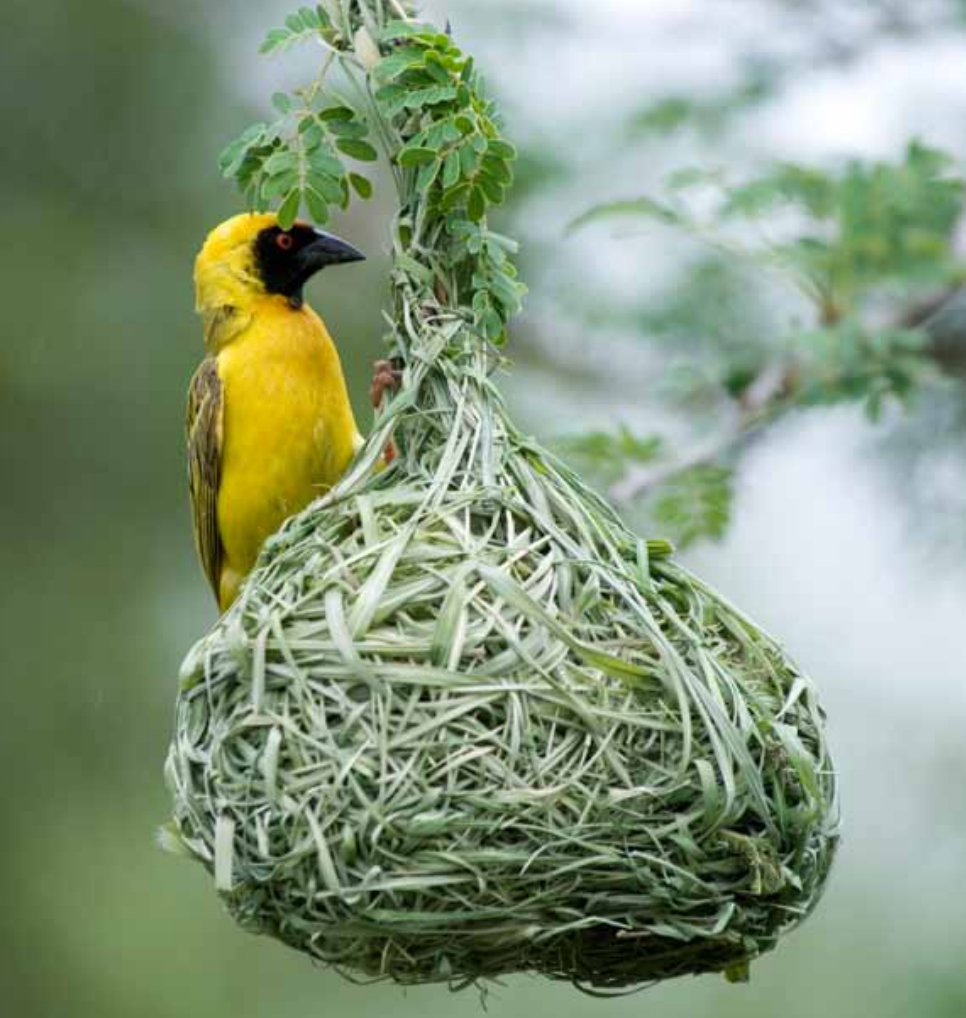
The actual Weaverbirds are renowned for their meticulous attention to detail, quality and a sense of family. During nest building, the male weaverbird is responsible for a perfect outcome – anything sub-standard or with a fibre out of place is promptly rejected by the female. A family matter. The moral fibre and nature of weaverbirds resonate at the Kraal Gallery. Each weaver with “Weaverbird" status is a symbol of the above. Her life is dedicated to her family, her pride in her artistry (work) and above all....herself.
“Lives woven into tapestries, Tapestries woven into Lives”

Zandile Mdlungu, Weaving Coordinator, Logistics, Human Resources
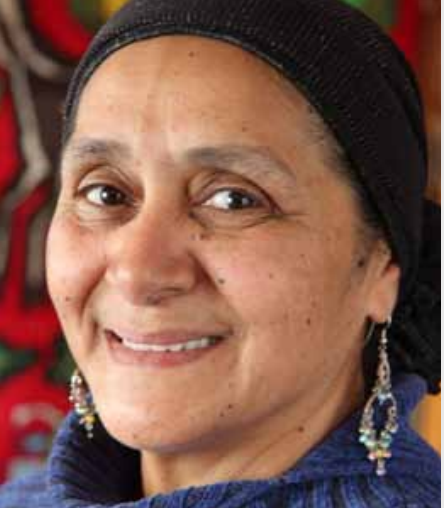
Nazeema Fredericks, Teacher, Masterweaver & “Mother Superior”
artists
“THE WEAVER BIRDS”
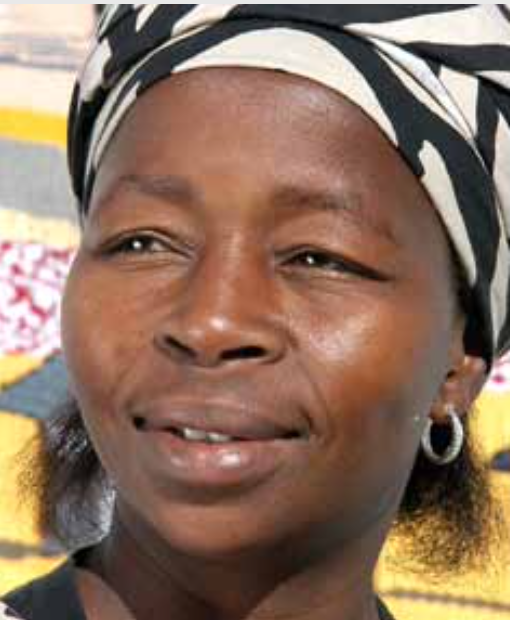
Nozinkele Faniswa Mahote - The Hare and The Heyena
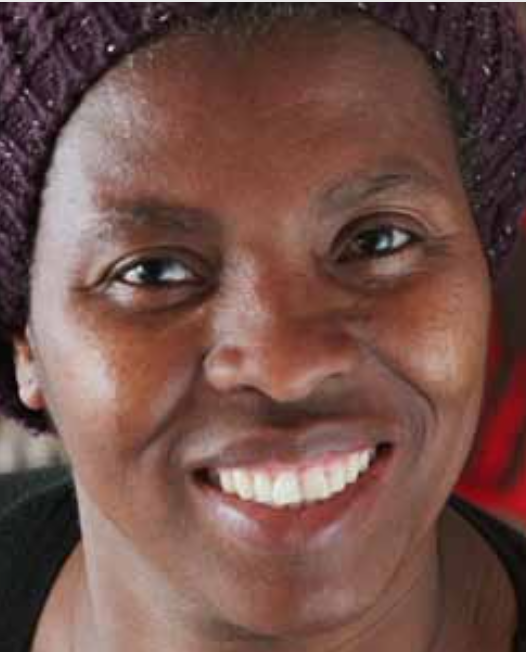
Nthabeleng Annacletta Modutsane - The Calabash Children, Why the Sun and Moon Live in the Sky
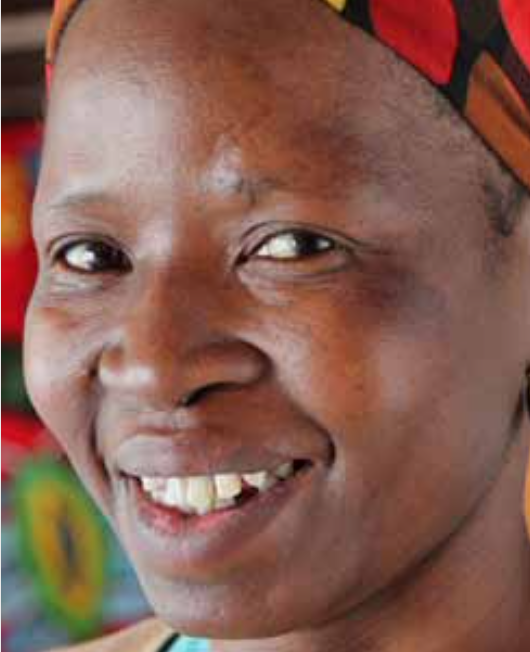
Novuyisele Dlubom - The Flying Lion
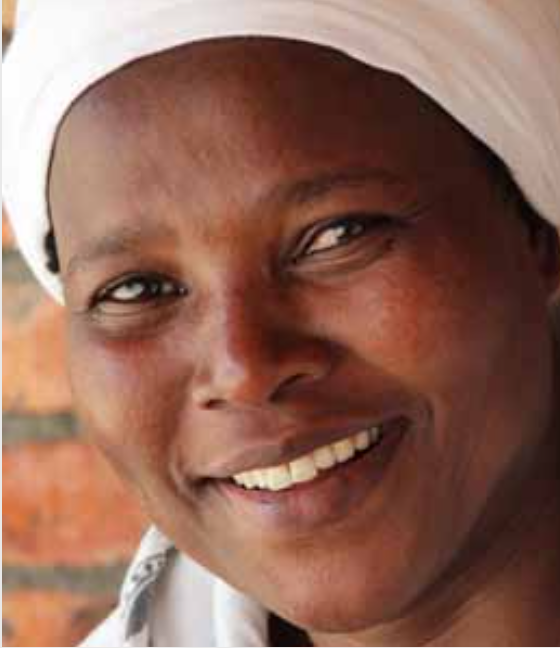
Nomtheliso Sylvia Ngxoni - The Little Red Tortoise is the bravest of them all
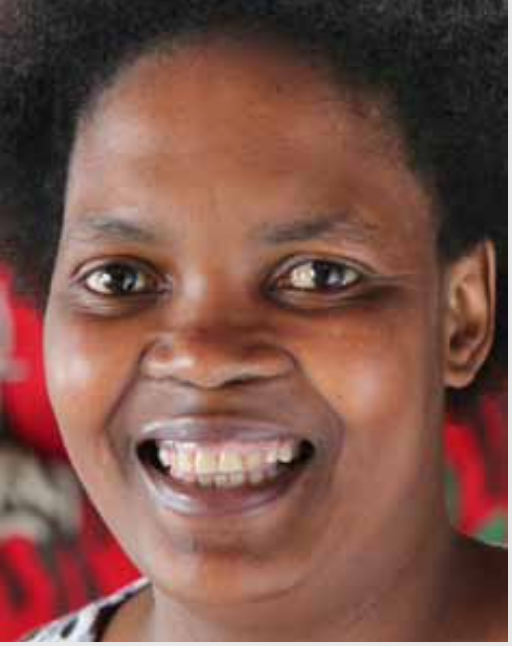
Nontlahla Macothosa - The Spider and the Lion
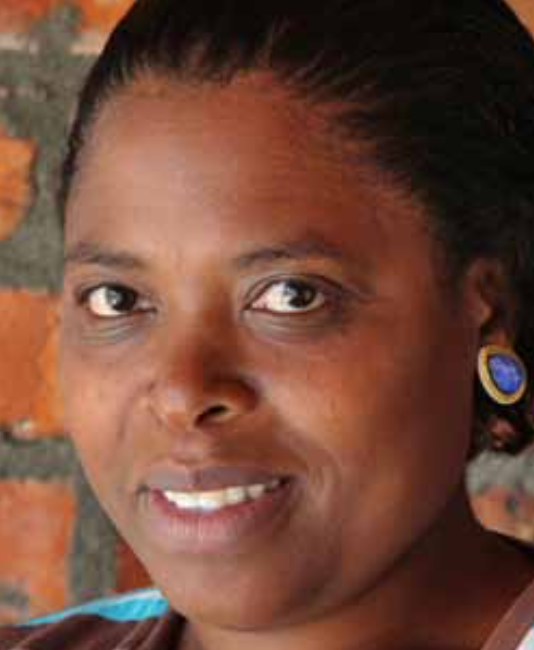
Nokwake Nomvazi Dyani - The Bird of Life, Prelude to Civilisation
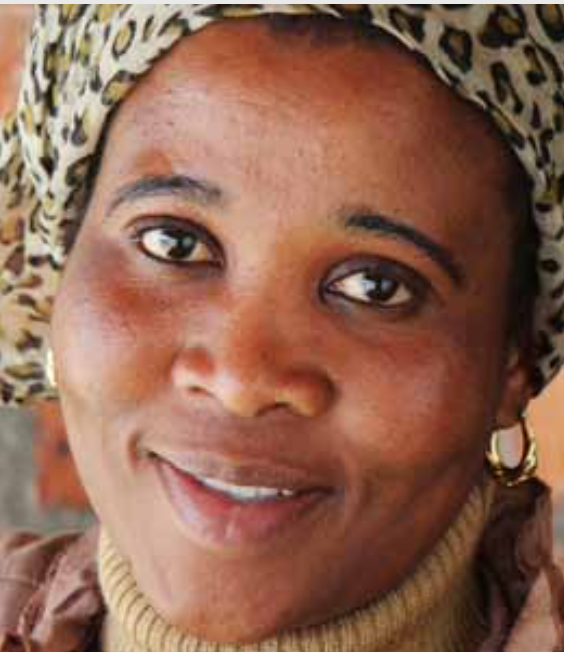
Noluvuyo Mki - The Children who Lived in a Tree House
Art
Click to To Enlarge Image
Prelude to Civilization *SOLD
All of Africa
34” x 55”
Woven Cotton
Artist, Dyani
Through the voice of the African ox, this story reflects on humanity's long journey toward civilization, reminding us that people, animals, nature, and the earth must live and work together in harmony for society to prosper.
Moral: True progress is built through patience, cooperation, and peace rather than conflict and discord.
The Bird of Life
Ethiopia (Kafa)
58” x 42”
Woven Cotton
Artist, Dyani
A man captures a beautiful bird that offers him three pieces of wisdom in exchange for her freedom, but once released, she reveals that he has already broken the first two lessons by letting go of what he possessed and regretting what he lost. Moral: True wisdom means valuing what you already have, accepting what cannot be changed, and not sacrificing what is certain for an uncertain promise.
The Calabash Children
Kilimanjaro, Tanzania (Chaga)
45” x 67”
Woven Cotton
A lonely widow receives a magical gift from the Mountain Spirit when her gourds transform into children who secretly care for her home, but when she becomes ungrateful and insults the quiet Kitete, the children return to gourds and her blessings disappear. Moral: We should be grateful for our blessings and never allow impatience or ingratitude to make us destroy the gifts we have been given.
The Children who Lived in a Treehouse (Vuyo)
Kenya (Wakamba)
67” x 45”
Woven Cotton
Artist, Noluvuyo Miki
After their mother's death, a hunter builds a treehouse high in a baobab to protect his three children, but a cunning witch imitates his secret song, kidnaps them, and is eventually defeated when their father follows the clues to rescue them. Moral: Courage, hope, and a parent's love can overcome even the darkest magic.
The Flying Lion
Etosha, Namibia
58” x 44”
Woven Cotton
Artist, Dlubom
During a time of famine, a greedy hyena repeatedly tricks Hare out of their food by disguising himself as a frightening creature, but Hare eventually sees through the deception, prepares a stronger bow, and defeats him.
Moral: Greed may bring temporary rewards, but in the end, dishonesty and selfishness will lead to ruin.
The Hare and the Hyena
Malawi (Bantu)
69” x 45”
Woven Cotton
Artist, Faniswa Mahote
Famine is too frequent in Africa. So this trickster tale of Bantu origin could have come from almost anywhere. It is set in Malawi, one of the least-developed countries of southern Africa.
“Hunger is one thing,” declared the old man who was leader of the council circle, “but greed is something different.” “Remember our old saying, ‘The bird takes what he needs.’ Our people must do the same. Think of what you need – not what you want.” “Wise words do not fill mouths,” offered another. “Yet the wisdom of others may bring food to our minds.” The speaker was an old lady, allowed to attend the council by reason of her age. “You will permit my ancient brain to remind you of something.” There have been many times of famine in our land – beside the lake and beside the river. In one such time, in the days of our ancestors, a Hare met a Hyena.
The Little Red Tortoise is the Bravest of them All (Nokwaka)
Southern Karoo, South Africa
56” x 39”
Woven Cotton
Artist, Ngxoni
A tiny red tortoise bravely faces the terrifying Blue Giraffe that has been devouring tortoises, allowing himself to be swallowed before using his sharp claws to defeat the giant creature from within. Moral: Courage does not come from being big or powerful—it comes from having the bravery to face what frightens you.
The Spider and the Lion (Tembi) *SOLD
Ashanti, Ghana
45” x 57”
Woven Cotton
Artist, Macothosa
When a greedy lion steals Spider's fish, Spider uses his intelligence to trick the powerful bully into tying himself to a tree, teaching him that strength alone cannot protect him from someone clever. Moral: Intelligence and courage can overcome brute strength, and even the most powerful bully can be humbled by those he underestimates.
Why the Sun and the Moon Live in the Sky (Phindi)
Eastern Nigeria (Ibibio)
62” x 45”
Woven Cotton
Artist, Modutsane
When Sun invites Water and all the creatures within him into his home, he fails to understand the enormous size of his guest, forcing Sun and Moon to flee to the sky as the rising water overwhelms their home.
Moral: Generosity and hospitality are virtues, but wisdom requires us to understand our limits and listen when others warn us of the consequences.